For Research Purposes Only. Not approved for human consumption.
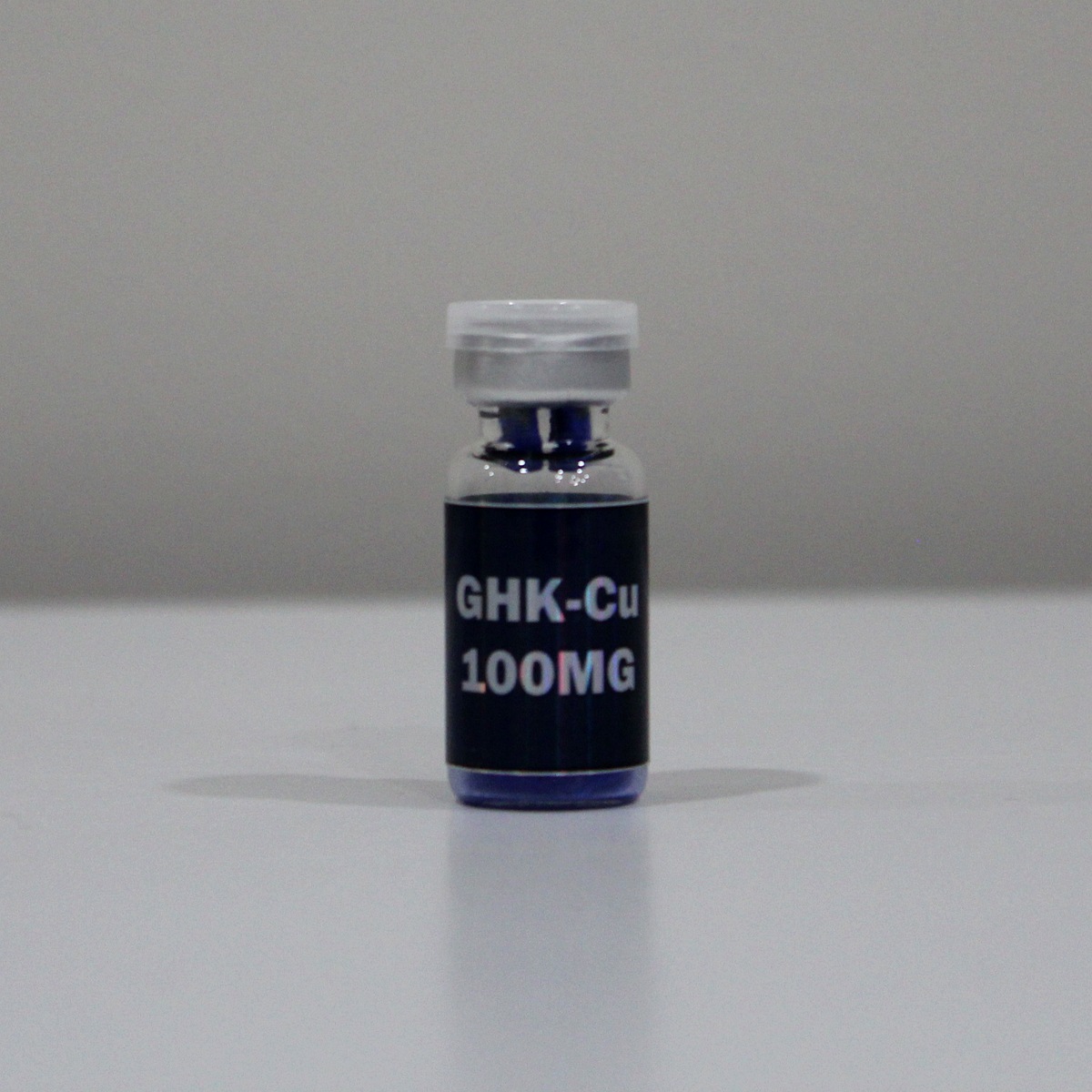
GHK-Cu Copper Peptide 100mg
GHK-Cu (Glycyl-L-Histidyl-L-Lysine copper complex) is a naturally occurring tripeptide-copper complex first identified by Loren Pickart in 1973 with over 50 years of published research. It modulates expression of over 4,000 human genes including those governing collagen synthesis, MMP activity, wound healing, and anti-inflammatory signaling. Its plasma levels decline significantly with age (from ~200ng/mL at 20 to ~80ng/mL at 60), making it a key compound for aging biology and regenerative research.
Research Applications
- Collagen and elastin synthesis studies
- Wound healing and skin regeneration biology
- Anti-aging cellular mechanism research
- Gene expression modulation (4,000+ documented genes)
- Anti-oxidant and anti-inflammatory research
- Hair follicle and scalp biology studies
Quality Specifications
- Purity: ≥98% (HPLC verified)
- Compound: GHK-Cu
- Molecular Weight: 340.38 Da
- Form: Lyophilized powder
- Storage: -20°C, protect from light
- COA: Batch-specific, ISO-accredited laboratory
Frequently Asked Questions
Q: What research evidence exists for GHK-Cu?
A: Over 50 years of published research documenting collagen synthesis stimulation, wound healing promotion, anti-inflammatory effects, and regulation of tissue remodeling and anti-oxidant defense genes.
Q: How does copper binding affect activity?
A: The GHK tripeptide has high affinity for copper(II) ions. Research suggests the copper complex is the bioactive form — copper appears essential for most documented biological activities.
Q: Why is GHK-Cu relevant to aging research?
A: GHK-Cu plasma levels decline ~60% between ages 20-60. Research explores whether this decline contributes to age-related tissue changes and whether replenishment in research models can reverse aging biomarkers.
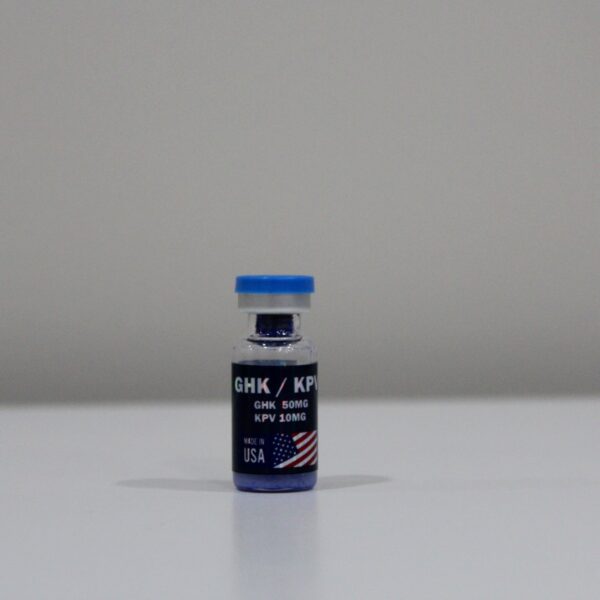
Related Research: GHK-Cu + KPV Blend | Glow Stack
For laboratory research use only. Not for human consumption. Not evaluated by the FDA.
Reviews
Clear filtersThere are no reviews yet.