
For Research Purposes Only. Not approved for human consumption.
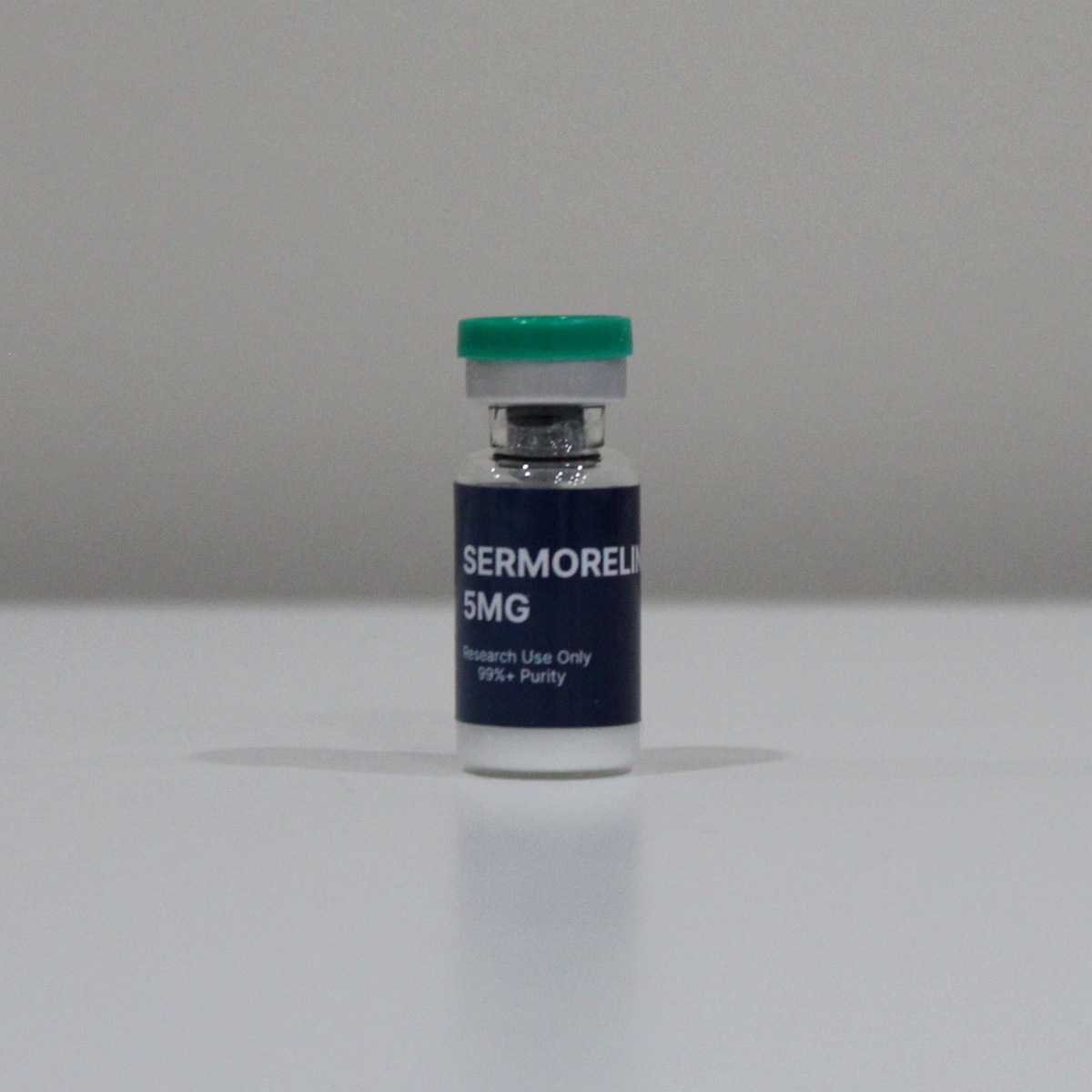
Sermorelin Research Peptide
Sermorelin is a synthetic analog of Growth Hormone Releasing Hormone (GHRH) consisting of the first 29 amino acids of endogenous GHRH — the minimal sequence required for full biological activity. Unlike CJC-1295 analogs, Sermorelin is structurally closer to native GHRH with a shorter half-life (~12 minutes), producing brief, physiologically-accurate GH pulses. It serves as an important comparator in GH axis research, particularly for studying natural vs. modified GHRH analog pharmacokinetics.
Research Applications
- Native GHRH pharmacokinetic comparison studies
- Brief, physiologic GH pulse research
- Hypothalamic-pituitary axis investigations
- GH secretion rhythm and pattern studies
- Combination with GHRP synergy protocols
Quality Specifications
- Purity: ≥98% (HPLC verified)
- Compound: Sermorelin
- Molecular Weight: 3357.9 Da
- Form: Lyophilized powder
- Storage: -20°C, protect from light
- COA: Batch-specific, ISO-accredited laboratory
Frequently Asked Questions
Q: How does Sermorelin differ from CJC-1295?
A: Sermorelin is native GHRH 1-29 with ~12-minute half-life. CJC-1295 No DAC is modified for ~30 minutes; DAC version is albumin-bound for days. Sermorelin is closest to physiological GHRH.
Q: Why use Sermorelin over modified analogs?
A: When research requires studying native GHRH receptor activation without modified pharmacokinetics, Sermorelin provides the most physiologically accurate GH stimulation profile.
Q: Can Sermorelin be combined with GHRPs?
A: Yes. Like other GHRH analogs, Sermorelin combines with GHRPs (Ipamorelin, GHRP-6) for synergistic GH release via dual-pathway activation.
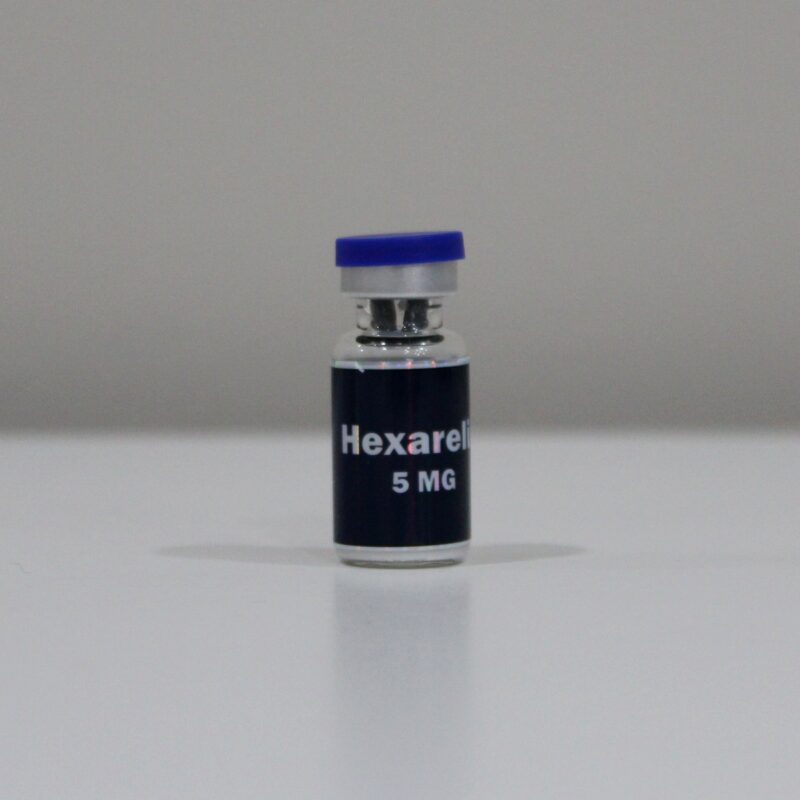
Related Research: CJC-1295 No DAC | CJC-1295 DAC | Ipamorelin | Hexarelin Research Peptide
For laboratory research use only. Not for human consumption. Not evaluated by the FDA.
Reviews
Clear filtersThere are no reviews yet.